
Urgent Care vs ER: What’s the Difference?

Wael Tinawi • May 13, 2023

It’s after-hours, and you’re not feeling well. You don’t think it’s an emergency, but you’d like to get some medication and run some tests to make sure. You look up “immediate care near me” to see where you can go without an appointment, and now you have to choose between Urgent Care and the emergency room. Where do you go?


When discussing same-day care in medical centers, many people use Urgent Care and emergency rooms interchangeably. But are they really the same thing?


Let's learn all about it. Read on to learn all about these different types of Bridgeview medical centers so you can make an informed choice.


Urgent Care


What Is an Urgent Care Center?


An Urgent Care center is almost like a “middle ground” between your normal primary care doctor and the emergency room. It’s a walk-in clinic that’s staffed with a mix of physicians, physician assistants, and nurses, but they may have other medical professionals on staff as well. They also have a variety of diagnostic tools on hand, and they can order basic labs, like blood tests.


Urgent Care centers tend to have set hours, but these hours can be more accessible than traditional medical office hours, making them great for when your doctor is not in the office. They also tend to be more affordable, especially for those who are uninsured.


Urgent care centers can either be independent or affiliated with larger medical centers.


When to Visit an Urgent Care Center Near Me


So how do you know that it’s time to visit a Bridgeview Urgent Care instead of the emergency room?


Most Urgent Care centers have a list of set conditions that they treat. Urgent care is for non-life-threatening conditions. Remember, it’s for conditions that are “urgent” but not “emergent.”


Think of things that you would visit your primary care physician for if you could make an appointment right away. This list includes things like:


●     Sprains

●     Muscle aches

●     Respiratory infection or bronchitis

●     Cuts and abrasions

●     Minor burns

●     Nausea and vomiting

●     UTIs


If you want to get a swift diagnosis and receive care right away, but you know you’re not in danger, Urgent Care is the place to go. You can get a quick diagnosis, and in some cases, a prescription to help you feel better.


Advantages and Limitations of Urgent Care Centers


Urgent Care centers are fantastic for many reasons.


As we mentioned, they’re often more accessible than standard medical offices, so if you need walk-in care for minor issues, you have somewhere safe and reliable to go. The staff at Urgent Care centers is ready to help, and you won’t have to deal with extensive wait times.


However, they’re not 24/7. They do have long hours (for example, we’re open from 9 AM to 9 PM), but if you have a late-night care need, you may have to wait.


Emergency Room


What Is an Emergency Room?


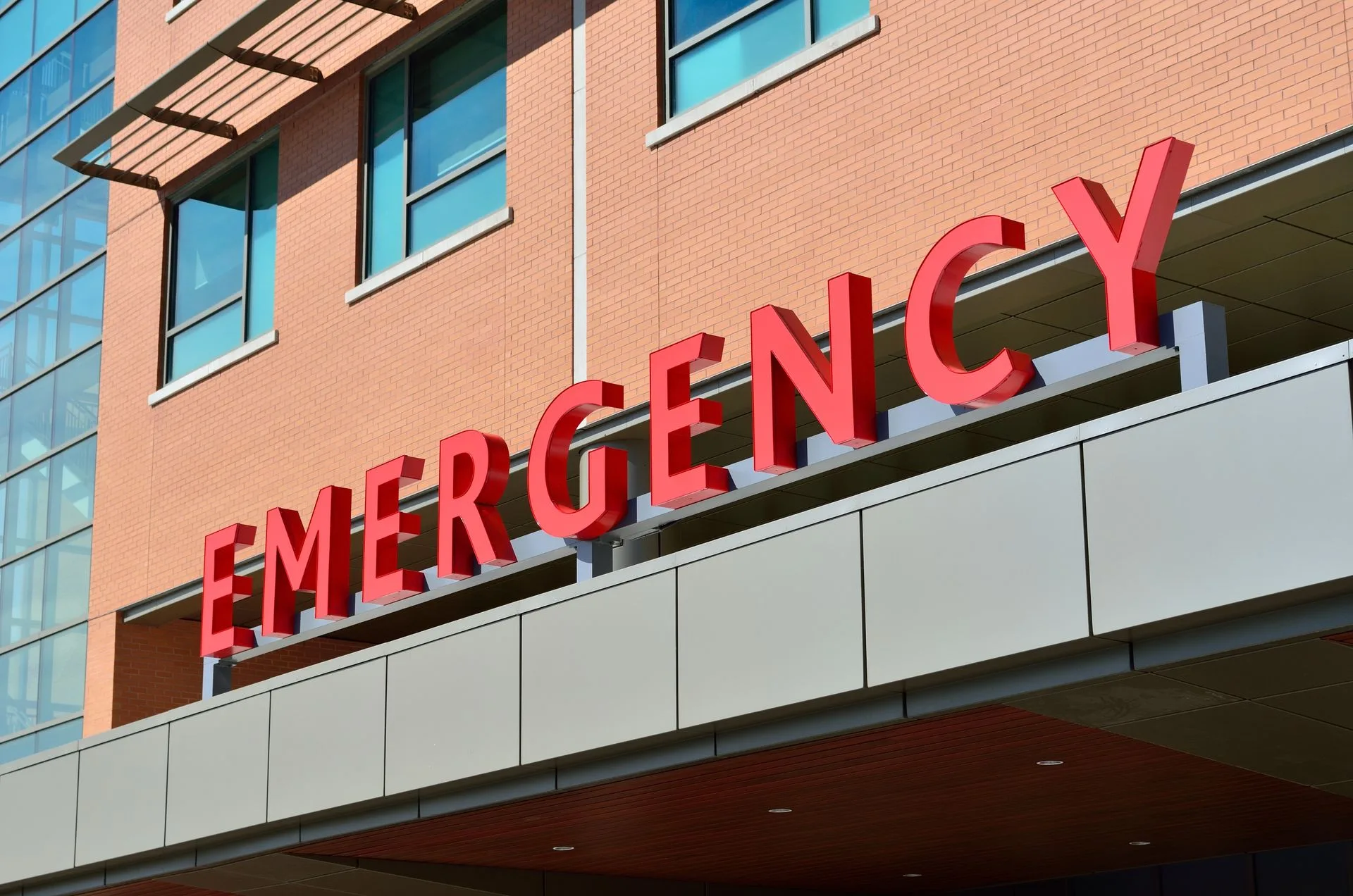
An emergency room is a department of a hospital. It’s a medical treatment facility that specializes in emergency medicine. These care centers are open 24/7, and they’re staffed with physicians and nurses, but because they’re in hospitals, they also have access to specialists.


They have some diagnostic tools in the department, but they also have access to the rest of the hospital, so they’re able to order almost any lab or test.


Emergency room visits can be quite expensive, especially if patients arrive via ambulance.


When to Visit an Emergency Room Near Me


If you visit the emergency room, it should be because you’re dealing with a medical emergency. Patients with non-emergencies should visit their primary care physicians or an Urgent Care center instead.


So what counts as an emergency? There are many potential emergencies, but they often include things like:


●     Compound fractures

●     Unexplained chest pain

●     Sudden pregnancy complications

●     Intense abdominal pain

●     Serious cuts or burns

●     Paralysis

●     Seizures

●     Uncontrolled bleeding


If you think your life may be in danger, the emergency room is the right place to go.


Advantages and Limitations of the ER


Emergency rooms are crucial resources that save lives every day. They’re able to help patients quickly and either connect them with other medical professionals or release them once they’re stabilized.


They have the advantage of a full team of specialists, so when it comes to emergency conditions, they’re the best option. The fact that they’re open 24/7 means that more people can access care when they need it.


Unfortunately, they are expensive for the uninsured. Many emergency rooms also have long wait times, meaning that people can wait for hours before even seeing a nurse or doctor. It’s important for people with non-emergency care needs to visit Urgent Care centers instead of emergency rooms to free up space for patients who need it.


Cases When It's Unclear Whether to Go to Urgent Care or ER


So what happens if you’re not sure whether or not you’re experiencing an emergency?


In reality, most care needs aren’t emergencies. However, it’s also not rare for people to not know when they’re experiencing a medical emergency if they’re not experiencing incredible pain. For example, many people don’t know the signs that they’re experiencing a heart attack, and they may chalk it up to heartburn or another minor condition.


If you’re genuinely not sure, an Urgent Care center can redirect you when you arrive, but if the emergency room closest to you has a short wait time, it’s appropriate to go there instead.


Visit UrgiClinic Urgent Care Clinic


Next time you’re not feeling well, and you need same-day care, we’ll be there to help. Our team of compassionate medical professionals will help you get the treatment you need so you can feel better.


We offer rapid laboratory tests and screenings, care for many minor illnesses and injuries, women’s health, pediatric care, and so much more. Simply walk in, and we’ll be happy to take care of you with our personalized care methods.


References

1.https://www.cdc.gov/hearher/maternal-warning-signs/index.html

2.https://www.cdc.gov/heartdisease/heart_attack.htm


By Wael Tinawi December 9, 2025
Urinary tract infections (UTIs) are relatively common during pregnancy, and while many are straightforward to treat, they also carry potential complications for both mother and baby if left unaddressed. It’s important to understand when you can go to an urgent-care setting and when you should seek more specialized or emergency care. 
By Wael Tinawi December 2, 2025
If you don’t currently have a primary care doctor, keeping track of your blood sugar can seem challenging. However, understanding your options is essential, especially if you have diabetes, prediabetes, or symptoms of unstable blood sugar.  Before diving in, it’s important to note: urgent care focus on urgent medical needs that are non-life-threatening, such as sudden illness, infections, or injuries. For regular blood sugar monitoring or diabetes management, you’ll need to work with a primary care provider or specialist.
By Wael Tinawi November 24, 2025
High cholesterol often develops silently, without obvious symptoms — until it leads to serious problems like heart disease or stroke. Because of this, cholesterol testing plays a major role in catching potential health risks early. However, if you’re wondering whether your local urgent care can perform a cholesterol test, the answer depends on the reason for your visit.
By Wael Tinawi November 17, 2025
Blood pressure measures how strongly your blood pushes against your artery walls as your heart pumps. Readings are given as two numbers, systolic (pressure during the heartbeat) over diastolic (pressure between beats).  According to the World Health Organization (WHO) , high blood pressure (hypertension) is one of the leading causes of premature death worldwide. But during an urgent care visit, a blood pressure reading is used to help your provider quickly evaluate whether your symptoms—such as dizziness, headache, chest discomfort, or fatigue, might be related to blood pressure changes or another acute condition.
By Wael Tinawi October 29, 2025
If you’ve ever walked outside on a smoggy day and felt your chest tighten or your eyes water, you may have wondered: Can poor air quality make you sick? The short answer is yes. Air pollution and poor indoor air quality can have both immediate and long-term effects on your health. From mild symptoms like coughing and headaches to serious issues like asthma, heart disease, and even premature death, the quality of the air we breathe matters more than we often realize.  Understanding the dangers of poor air quality , and knowing when to seek medical care, can help protect you and your family from preventable health risks.
By Wael Tinawi October 20, 2025
As parents, nothing matters more than keeping our children safe and healthy. From their first steps to their teenage years, one of the most effective ways to protect kids is through vaccination. Vaccinations for kids are not just about preventing illness in your child, they also protect families, schools, and communities.  At UrgiClinic , we know how important it is to stay up to date on childhood and adolescent vaccines. Our urgent care team offers convenient services for non-life-threatening but urgent medical needs, including timely access to essential vaccines.
By Wael Tinawi October 14, 2025
As teens gear up for another exciting season of sports and physical activities, their health and safety should always come first. Whether your child plays competitively or just for fun, a teen physical helps ensure they’re healthy, fit, and ready to take on the challenges of the game.  A teen physical, sometimes referred to as a pre-participation exam, is an important step in monitoring a young person’s overall well-being. It’s designed to identify any potential health issues that might interfere with safe participation in sports or other physical activities.
By Wael Tinawi October 8, 2025
Flu season can take a toll on families, kids missing school, parents balancing work and caregiving, and vulnerable loved ones facing higher risks of serious illness. During this busy time, it’s important to know where to go for care.  At UrgiClinic, we treat urgent medical needs that are non-life-threatening, giving your family access to fast, walk-in care when your primary doctor isn’t available and the ER isn’t necessary. Let’s explore how urgent care supports your family during flu season.
By Wael Tinawi September 23, 2025
Life can get busy, and it’s easy to put your health at the bottom of the to-do list. But making time for regular Wellness Checkups is one of the simplest and most effective ways to protect your long-term health. These visits go beyond treating illness; they focus on prevention, early detection, and keeping you feeling your best. At UrgiClinic , we understand that while primary care handles routine health planning, urgent care is sometimes the right place when you need immediate evaluations tied to your overall wellness. For urgent needs that can’t wait, our team is here to guide you. In this article, you’ll learn:  What annual Wellness Checkups include Why preventive care is so important How checkups differ from urgent visits When urgent care is the right choice
By Wael Tinawi September 15, 2025
Mold is a common household problem that often hides in damp areas like basements, bathrooms, and behind walls. While a small amount of mold may not always be harmful, prolonged or heavy exposure can lead to uncomfortable and sometimes serious health symptoms. At UrgiClinic , we recognize that mold-related symptoms can come on suddenly, making it difficult to know whether you should seek immediate care. Our urgent care services are designed to help when you’re experiencing urgent symptoms and need timely guidance. In this article, you’ll learn: Common symptoms of mold exposure Who is most at risk When urgent care is the right choice How mold-related conditions are evaluated and treated
By Wael Tinawi September 10, 2025
A swollen joint can be uncomfortable, alarming, and sometimes even limit your ability to move. While mild swelling may resolve on its own with rest and home care, some cases require medical attention, especially when the swelling appears suddenly, is painful, or is linked to an injury. At UrgiClinic , we understand that joint pain doesn’t always happen at a convenient time. Our urgent care team is here to evaluate urgent cases of swollen joints and guide you toward the right treatment when you can’t wait for a primary care appointment. In this guide, you’ll learn: Common causes of swollen joints Signs that it may be urgent How doctors diagnose joint swelling When urgent care can help 
By Wael Tinawi September 1, 2025
Accidents happen when you least expect them a cut from rusty metal, a puncture wound from a nail, or even a scrape while gardening. In these moments, knowing when to get a tetanus shot can make all the difference for your health and peace of mind. At UrgiClinic , we provide fast and convenient urgent care services, including tetanus shots for urgent needs. Whether it’s a workplace accident, a sudden injury at home, or an outdoor mishap, our team is here to guide you on the right next steps. In this guide, you’ll learn: What tetanus is and why it’s serious When you need a tetanus shot after an injury Who should be especially cautious How urgent care supports timely protection
More Posts