UTIs During Pregnancy: When to Visit Urgent Care
Urinary tract infections (UTIs) are relatively common during pregnancy, and while many are straightforward to treat, they also carry potential complications for both mother and baby if left unaddressed. It’s important to understand when you can go to an urgent-care setting and when you should seek more specialized or emergency care.
Why UTIs Are More Common in Pregnancy
Pregnancy triggers several changes in your urinary tract: the growing uterus can press on your bladder and ureters, urine flow may slow, and hormonal shifts relax muscle tone in the urinary tract—creating an environment more favorable for bacteria to grow. According to the American College of Obstetricians and Gynecologists (ACOG), UTIs in pregnant individuals should be taken seriously: even if symptoms are mild or absent, untreated infections can progress.
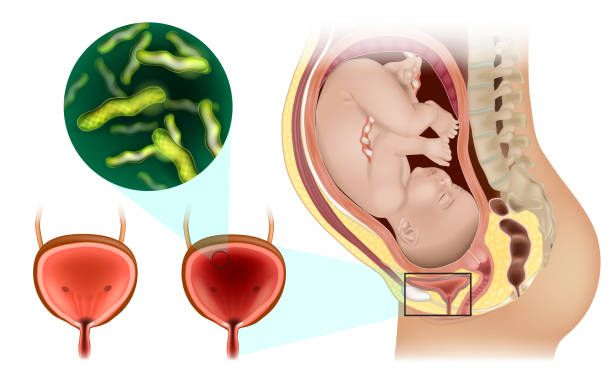
Recognizing the Signs: Symptoms & Red Flags
Typical UTI symptoms in pregnancy include:
- A burning sensation when urinating, or pain/pressure in the lower abdomen. WebMD+1
- Frequent urges to urinate (but sometimes only a small amount) or cloudy, foul-smelling, or blood-tinged urine. MyHealth Alberta
- In more serious cases (kidney involvement, i.e., pyelonephritis): fever, chills, back/flank pain, nausea or vomiting. NCBI+1
Because pregnant women sometimes have fewer or atypical symptoms, it’s wise not to dismiss any urinary discomfort. Untreated UTIs during pregnancy may increase risks such as pre-term labor or low birth weight. UT Southwestern Medical Center+1
What Urgent Care Can and Cannot Do
At an urgent-care center, you can receive timely evaluation for new or worsening symptoms of a UTI during pregnancy. For example: if you notice burning when urinating and you are unable to promptly reach your obstetric provider, urgent care can step in. Urgent-care clinics are recognized as potentially appropriate settings for pregnant women with UTIs when symptoms are not severe and hospital care isn’t immediately required.
However, urgent care is not a substitute for your prenatal care or specialized obstetric follow‐up. Some key limitations:
- Routine screening of asymptomatic pregnant women (for example, for asymptomatic bacteriuria) is part of prenatal care—not something urgent care typically performs.
- If complications are suspected (kidney involvement, high fever, risk of pre-term labor), immediate escalation to obstetric or hospital care is required.
Management of recurrent UTIs, prophylactic antibiotic regimens, or complex obstetric infections is beyond the scope of typical urgent-care settings.
When You Should Not Rely on Urgent Care
Head to the emergency room or contact your obstetric provider immediately if you experience:
- High fever (> 101 °F), chills, flank/back pain—signs of possible kidney infection (pyelonephritis).
- Heavy vaginal bleeding, signs of pre-term labor (regular contractions, ruptured membranes), or if you’re experiencing difficulty that could affect your pregnancy beyond a simple UTI.
Inability to keep fluids down, significant nausea/vomiting, or other systemic symptoms.
What Happens During Evaluation

At urgent care, you can expect:
- A urinalysis and often a urine culture, especially since pregnant patients require more careful management.
- Empiric antibiotic therapy (safe for pregnancy) may be started while awaiting culture results. ACOG recommends a 5-7 day course for acute cystitis in pregnancy.
- A review of your medical history including any kidney disease, diabetes, or other risk factors for complications.
- If red-flags are present, immediate referral or transfer to obstetric care or hospital.
Final Thoughts
A UTI during pregnancy is not something to ignore, but one with prompt attention can almost always be managed safely. If you are pregnant and develop urinary symptoms, and especially if you cannot reach your prenatal provider right away, visiting an urgent-care clinic is an appropriate option for urgent evaluation and treatment initiation.
Just remember: urgent care is not a substitute for your ongoing obstetric care and prenatal follow-up. If any warning signs arise, fever, flank pain, pre-term labour signals, seek care immediately at a hospital or your obstetric provider.